
It would be quite unimaginable to think that just over a month ago, when schools were ordered to close, that some might not be able to re-open their doors due to shortage of funds.
This is precisely the predicament that some private schools find themselves in, with parents rightfully asking about a fee reduction in light of home schooling. How do schools and parents address this challenge?
Many private/independent schools run at break-even
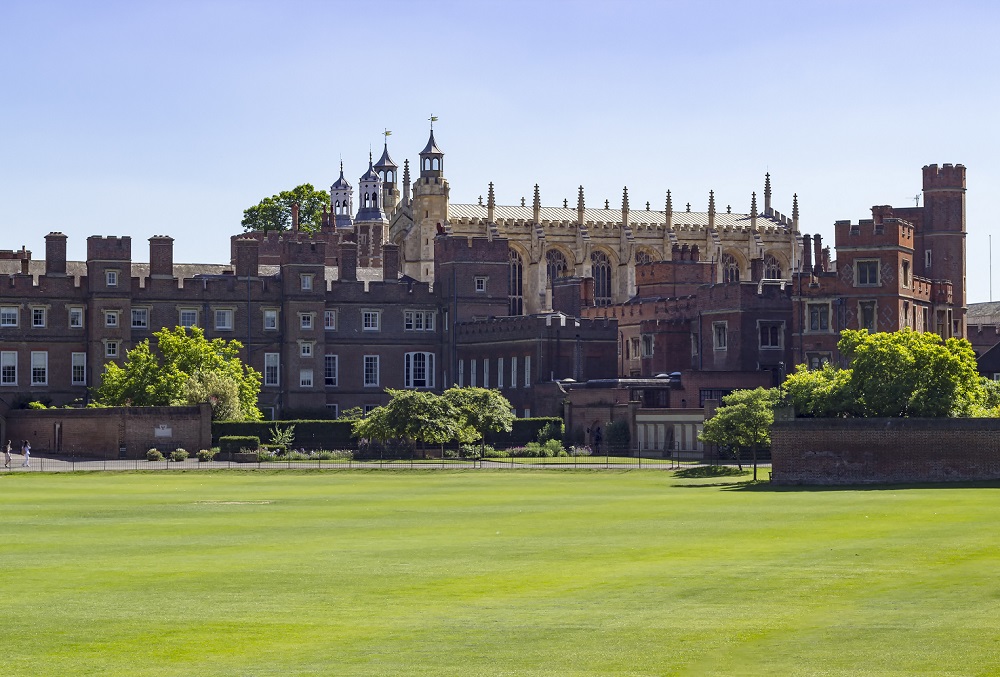
Schools like Eton College, which charges £42,500 a year, will be able to weather this storm of uncertainty, given their cash assets, land, property and not to mention their long waiting lists. However, it’s important to remember that schools like Eton and Harrow are not representative of the independent school sector across the country.
MA Advice: The set-up of a compelling COVID Hardship Appeal campaign NOW can help to raise funds through the school’s local and wider network? Contact us for support on creating an engaging marketing campaign.
Parents reminded of the stark reality
It was reported on 21st March that the chairman of the ICC (Independent Schools Council) urged parents to remember that private schools will face the risk of closure if they lose money. Then 3 days later (on 24th March) a further published report quoted the CEO of the Independent Schools Association stating that some private schools were likely to fold as result of the COVID-19 crisis.
So, with this possibility of some private schools not being able to continue, there are 3 core reasons that should be considered. Parents should review these points when positioning their stance on continued 2020 fee payment:
1. Difficult for the school to assess the exact saving (at this time)
- Fees are charged at three stages across the year, which presents cash flow mismatch challenges.
- Schools pay their costs on a monthly rather than termly basis, which makes it difficult to immediately assess potential savings.
- Government funding is unclear. Some funding will be made available for those private schools that receive state funds (to support their nursery children).
- The cost savings from furloughed staff is yet to be known.
2. The cost of teaching still exists
- Numerous fixed costs are in place and cannot be switched off, the staff will form a large part of this cost base.
- Teachers have been tasked to adjust, plan and administer (parents will oversee/deliver) their teaching Year curriculum remotely. There is a cost to provide and administer distance learning, with subscriptions to Google Classrooms, Microsoft Teams, FireFly (or other platforms) suddenly being put to a very real test.
- The purchase of additional equipment and resources to support distance learning, these costs would have been unplanned for.
3. Your school could literally disappear
- As has been highlighted above, not all private schools are wealthy in cash and assets and actually many run on a break-even basis most of the time
- Independent schools are in some cases the life blood of their local community, supporting and providing in the form employing local people, contributing to the local eco system and facilitating charitable causes. The closure of a local Independent school has far wider reaching consequences than its school gates.
Support private schools financially in times of a potential cash shortage
MA Advice: Schools will no doubt try to cut variable costs and do all they can to continue teaching and learning remotely, which means a continuation of their highest cost resource (staff). It is important for parents to look at the bigger picture and think about the school’s longevity and continuing to build its future legacy.
Parents should therefore consider the school’s financial position and are urged to support their school financially by continuing to the pay the fees, where possible. During these unprecedented COVID-19 times and with the camaraderie of the school community, could we envisage those wealthy parents in a financially secure position supporting other parents in their time of need?
What can private schools do to help?
There are clear steps that private schools can take to help the situation:
1. Be open and transparent
Open, honest, and on-going communication with parents will always be appreciated. Schools should be upfront about where the summer term fees are going and the efforts being made to reduce costs.
2. Cut costs where possible
Schools should commit to parents to saving on as many variable costs as they can in the summer and autumn term. This could include savings on boarding costs (where the service is not provided), lunches, transportation and grounds maintenance, for example. The government is providing support to Furlough staff, with 80% of their wage covered (up to £2500 pm) by the State. Identify if this is possible with staff where their skills are not required during the distance learning phase.
3. Help parents pay
Schools should be doing their very best to help parents pay the summer term fees if they can. Some schools are in the process to set up an Appeal – Hardship fund to help parents. Payment flexibility and support needs to be offered. Even so, some parents may not be able to pay the fees and hopefully the school will be able to find a solution. Schools could create an Appeal fund and plan now into May/Jun with a marketing campaign. Reach out for support to set-up.
4. Freeze fees during 2020
Given the level of uncertainty, many school have already chosen to frozen the fees for the next academic year and we hear of some schools that have frozen autumn term fees too. This will be welcome news for parents, who currently will be feeling disappointed that their hard-earned money is not being put to use in the school classroom.
5. Fund Raising (for Hardship)
In the first few weeks of the school closures, hopefully Heads and school leaders started planning ahead and communicating with their school community and Alumni. The plans need to update on the latest school news and to start the process to seek their financial support.
Contact us for our advice on creating a Hardship fund and how to plan and position with an effective marketing campaign.
MA Practical Advice – to summarise:
For Parents:
- At this time, it is difficult for the school to assess the exact saving, so think about the school’s position before you take your chosen action on the payment of fees
- The cost of teaching still exists to adjust and administer via distance learning
- The school will have additional costs for extra resource. We heard of one school purchasing Chrome books (Google’s version of a laptop) to loan out to children
- The school could, at the worst-case scenario, close its doors if it can be meet is financial obligation. Don’t let ‘your’ school struggle (or close!) but instead find a way to help them.
For Schools:
- Be open, transparent and keep the communication moving with the contact lines open
- Cut costs where possible – the Government Furlough scheme would appear a sensible option for those staff members where their employment will allow them to be temporarily paused.
- Help parents pay – be as flexible as you possibly can
- Freeze fees during 2020
- Fund Raise (for Hardship reasons and to support vulnerable pupils/parents)
If you need support to kick-start a Hardship appeal fund, talk to us for how to plan an effective marketing campaign. Contact or drop us a note.
Please do talk to us, the Marketing Advisers, now or at some point in the future to see how we can help with advice and marketing guidance for your school.
Why are the advice based Marketing Advisers for schools different?
We see our relationship with schools, our customers, as consultative and offering on-going helpful advice to support.
Read about us and our mission.
(School building Image, bought rights via Bigstock Photo)